
Habits That Build Security Regardless of Your Income
Tracking spending‚ saving steadily‚ talking openly about money and setting sensible limits: the habits that create financial security.

Choosing Everyday Financial Order
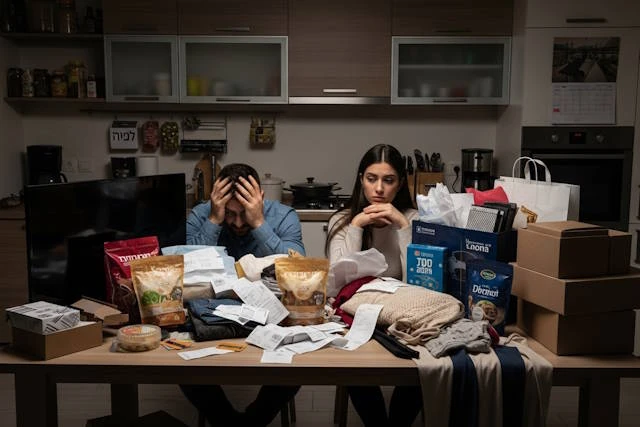
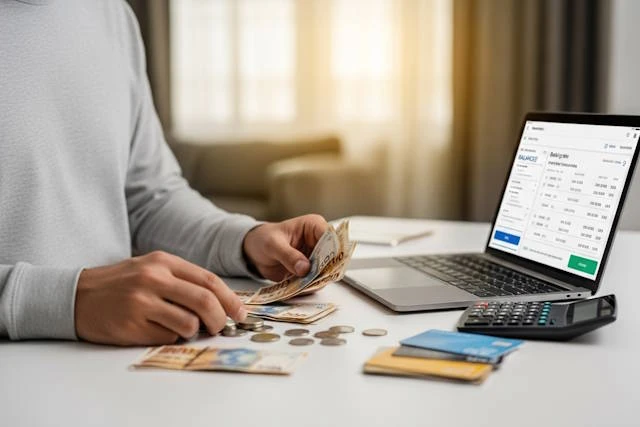
Order is the cornerstone of a sense of security. This is not about managing a complicated budget but about basic familiarity with your own numbers: how much comes in‚ how much goes out and where it goes. When the picture is clear‚ the uncertainty that breeds fear disappears. Even a simple weekly check of your expenses keeps anxiety from building up. This habit creates a sense of control‚ and control replaces not knowing with a quiet sense of security.
Staying Consistent Rather Than Perfect
Many people give up on managing their finances because they feel there is no point in starting if they cannot do it "perfectly". But security is built precisely by sticking with small actions. Those who set aside a fixed amount‚ even a small one‚ experience a stability that grows over time. Consistency builds inner trust - the knowledge that the system works even when there is no big surplus. Perfection gives way to a series of simple steps‚ and security grows naturally.
Choosing to Plan Ahead Instead of Reacting Late
Financial security depends not only on how much money you have but on how you deal with the unexpected. Planning seasonal expenses in advance‚ such as holidays or home repairs‚ prevents panic when the moment arrives. Building a "safety cushion" - even a small one - lets you respond calmly to surprises. When there is a plan‚ even a sudden change feels manageable. The difference between stress and calm lies in when the decision is made - before the event or after it.
The Habit of a Balanced Attitude Toward Money
Money is not only a means of payment but also a symbol of security‚ freedom and self-worth. When it is approached with fear or guilt‚ constant tension builds. By contrast‚ a balanced attitude based on appreciating the resources you have - even if they are not plentiful - creates a sense of abundance. Appreciation does not depend on quantity but on the quality of your attitude. The habit of seeing money as a tool rather than a goal makes it possible to plan without anxiety and live with peace of mind.
Choosing Open Communication About Money
Many couples avoid talking about money for fear of arguments‚ yet it is precisely the conversation that strengthens their shared security. Openly sharing goals‚ fears and habits prevents misunderstandings and strengthens a sense of partnership. When there is transparency‚ there is no room for surprises that undermine trust. Talking with children about what money means also creates a healthier pattern for future generations. Financial calm at home starts with a relaxed conversation‚ not with the numbers themselves.
Managing Realistic Expectations
A feeling of insecurity sometimes comes from a gap between reality and expectations. When you adjust your standards to your means‚ room opens up for calm. Knowing that every expense is planned in advance‚ and not driven by social pressure‚ strengthens your sense of control. Security grows when what you want matches what you can afford - not through sacrifice but through a deep understanding of what really matters. That way‚ even large expenses feel right rather than threatening.
Choosing Financial Knowledge as a Resource
Basic knowledge of personal finance changes the way you experience reality. People who understand simple concepts such as interest‚ saving and investing feel less dependent on outside factors. Knowledge creates security not because the situation changes immediately but because the sense of being out of control fades. Even reading a few financial articles each month or listening to a short podcast strengthens the feeling that you can handle any change.
Keeping a Balance Between Saving and Enjoyment
Saving is meant to serve life‚ not the other way around. Financial security also includes room to enjoy yourself - a good meal‚ a day off or a small gift. When you allow yourself controlled enjoyment‚ you keep a sense of abundance that prevents bursts of overspending later. A balance between responsibility and enjoyment creates a calm relationship with money‚ one without a constant feeling of scarcity but with a natural‚ healthy rhythm.
Choosing Clear Spending Limits
Unlimited consumption creates a feeling of insecurity even among people with high incomes. When everything is available‚ a constant need for more develops. Setting personal limits - such as a fixed shopping budget‚ or waiting a few months to check whether an item is really needed - restores control. It is precisely knowing that "not everything has to happen now" that creates inner security. Every small limit strengthens a sense of order and lets you enjoy what you already have more.
Choosing to Focus on Values Rather Than Numbers
Money is sometimes seen as a goal‚ but real security comes when you define what it serves. People who direct their spending toward values - family‚ education‚ health or culture - feel that their money works for them‚ not against them. Understanding that every shekel carries meaning creates a sense of calm‚ because the choices are not random but deliberate. Values become a compass that replaces fear with trust.
Managing Time as a Financial Matter
Time is a resource no less precious than money. People who manage their time wisely feel more secure even if their income is the same as others'. Weekly planning‚ a sensible split between work and rest‚ and set hours for dealing with financial matters all prevent the feeling of being constantly chased. When time is planned‚ expenses also seem more predictable‚ and financial anxiety drops significantly.
Choosing Steady Anchors in Your Routine
Anchors such as a fixed day for a financial check-up or a habit of reviewing your investment portfolio once a quarter create a stable sense of security. Even if the amounts do not change‚ simply knowing that a regular process exists strengthens your sense of control. The body and mind respond well to consistency - it creates certainty‚ and certainty creates calm. Each anchor like this is a reminder that the system is working‚ even when the world around you is changing.
How Community and Social Support Affect Personal Security
Security is not only a financial matter but also an emotional and social one. People who surround themselves with supportive relationships experience less financial stress‚ even in times of uncertainty. Sharing knowledge‚ advice or belongings among friends and neighbors creates a collective sense of abundance. Community replaces part of our dependence on money with a sense of solidarity. Security that comes from belonging does not require a large bank account - it rests on human connection.
Managing Your Response to Crises
A key difference between people who feel financially secure and those who do not is how they respond to crises. Security is built when a calm approach develops: understanding that crises are part of life and can be managed. A measured response‚ gathering information and weighing options instead of panicking make it possible to stay stable even in challenging moments. Every crisis resolved this way strengthens inner security for the future.
Choosing a Long-Term Mindset
Real financial security is based on a broad view - not only on what happens this month but on what is built over the years. Long-term planning lets you stop chasing quick fixes and focus on building gradually. Those who act from vision rather than fear stay calm even in hard times. Ongoing investment of time‚ learning and perseverance is the real guarantee of security - not the salary but awareness and intention.
In Summary
Financial security is not the result of numbers but of habits. Order‚ consistency‚ open communication‚ spending limits and a balanced attitude toward money create a sense of stability that does not depend on how much you earn. When money turns from a source of tension into a tool for order and meaning‚ a calm emerges that spreads to every area of life. Security is built step by step‚ through awareness and persistence‚ and it holds even when reality changes.