
Healthy Tires That Save You More Than Once
Tire pressure‚ tread depth‚ tire age‚ balancing and alignment: why well-kept tires are the first safety feature of any car.
Choosing Tires as the First Safety Measure
Many people see the braking system‚ traction control or airbags as the main safety components of a car‚ but in fact all of them depend on the condition of the tires. Even the best brake in the world won't stop in time if the tires are worn or not properly inflated. The tire is responsible for road grip‚ load distribution and stable movement. That is why monitoring the tread‚ checking air pressure and clearing away stones or grease are actions that save lives.
The Link Between Correct Air Pressure and Control on the Road
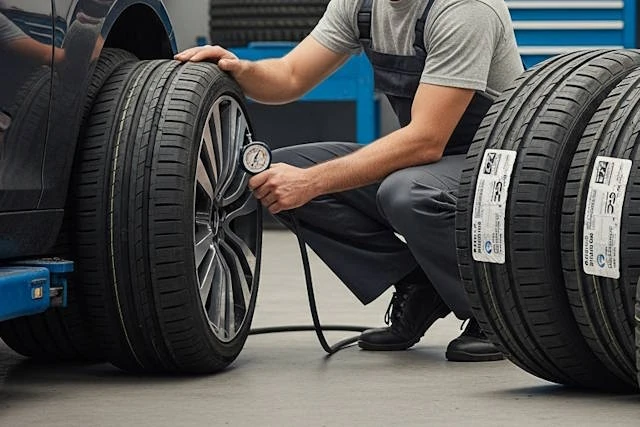
Air pressure directly affects how the car behaves. Pressure that is too low causes accelerated wear‚ overheating and higher fuel consumption. Pressure that is too high‚ on the other hand‚ reduces the contact area with the road and lowers grip. Keeping to the recommended values - usually according to the manufacturer's instructions - ensures precise driving and a quick response in emergencies. It is recommended to check the pressure every two weeks‚ especially before long trips or when the seasons change.
Choosing Healthy Tread as a Measure of Safety
The depth of the tread grooves affects the tire's ability to channel water away and prevent skidding. When the tread wears down‚ the car loses grip‚ especially on wet roads. In Israel the law requires a minimum depth of 1.6 mm‚ but it is recommended to replace tires earlier‚ when the grooves reach a depth of about 3 mm. Healthy tread allows shorter braking‚ better grip in turns and real peace of mind.
The Link Between Tire Age and Reliability
Even if a tire looks fine‚ the rubber itself ages over time. Exposure to the sun‚ temperature changes and repeated stress cause it to dry out and lose its flexibility. Tires five years old or more begin to show signs of cracking and internal wear‚ even if they are not visible to the eye. So it is worth checking the manufacturing date stamped on the sidewall and considering replacement at the right time. An old tire is not just uncomfortable - it can burst while driving and cause a loss of control.
Choosing Balancing and Alignment as Part of the Routine
Tires wear evenly only when the steering system is properly aligned. Any slight deviation in wheel angles causes uneven wear‚ steering drift and vibrations at high speed. Wheel balancing and front-end alignment are not just for after an accident - they are part of preventive maintenance. Proper‚ timely service saves wear‚ improves road grip and extends tire life.
Choosing the Right Tire for the Type of Vehicle
Every car has different needs - a family car‚ an off-road vehicle or a sports car. An unsuitable tire can change the way the car behaves and harm its stability. It is important to pay attention to the size‚ load index and speed rating of the tire. The wrong combination will hurt balance‚ increase wear and may even be illegal. An exact match according to the manufacturer's instructions maintains optimal performance in every situation.
The Link Between Healthy Tires and Emergency Response
In an emergency‚ such as sudden braking or quick overtaking‚ healthy tires are the difference between control and loss of grip. Stable grip lets the car respond more precisely and stay on course even in sharp maneuvers. Worn tires‚ by contrast‚ respond late‚ slide or lose balance. That is why proper maintenance is not just a matter of routine - it is an investment in the safety of every trip.
Choosing Careful Driving to Protect Your Tires
Driving style matters no less than maintenance. Hard braking‚ sharp turns or fast acceleration wear down the tread and overheat the tires. Calm driving and keeping a safe distance‚ on the other hand‚ preserve them over time. Driving slowly over potholes and using the correct air pressure also help. A well-kept tire pays you back many times over in performance and safety.
The Link Between Healthy Tires and Saving Money
Proper tire maintenance saves money in the long run. Correctly inflated tires reduce fuel consumption‚ and preventing early wear reduces the need for frequent replacements. Safety is a saving too - an accident avoided thanks to good grip proves that a small investment in tires pays off. This is one of the few areas where proper maintenance translates directly into peace of mind and financial savings.
Summary
Healthy tires that save you more than once are not a slogan - they are reality. Every safe trip begins with four round parts that need to be in perfect condition. Regular checks‚ ongoing maintenance and a match to the type of vehicle ensure not only stability on the road but also inner calm. Tires may look simple‚ but they are the difference between an accident and its prevention‚ between anxiety and calm‚ and between an ordinary drive and a whole lifetime of safety.