
A Clean Engine That Breathes Better
Air filter‚ intake‚ exhaust‚ quality fuel and preventive care: why a clean engine uses less fuel‚ pollutes less and lasts longer.
Choosing a Healthy Intake System as the Basis for Performance
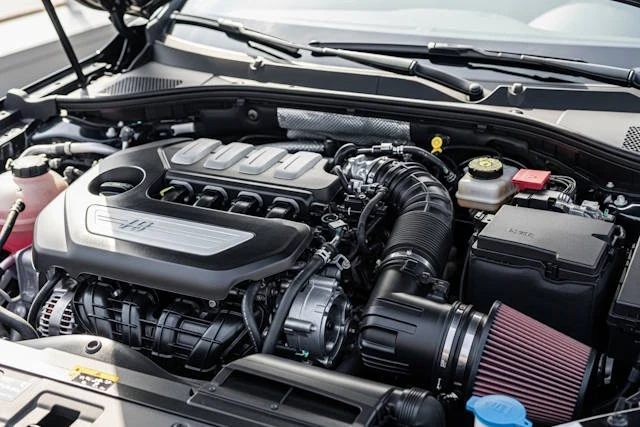
The system responsible for bringing air into the engine sometimes seems marginal‚ but it is one of the most important. Air that flows in freely‚ without dust or particles‚ allows perfect combustion of the fuel. When the filter is clogged or dirty‚ combustion becomes inefficient‚ which leads to higher fuel consumption and a loss of engine power. Keeping the intake system clean‚ along with periodic checks‚ ensures optimal performance and prevents future problems.
The Link Between Engine Cleanliness and Fuel Consumption
When the engine "breathes" easily‚ it needs less effort to produce the same power. Efficient combustion means using exactly the amount of fuel required‚ without waste. Clean engines consume less‚ run at a more balanced temperature and emit fewer pollutants into the air. Cleanliness‚ then‚ is not just a matter of maintenance - it is also an environmental and economic choice. A well-kept engine maintains the balance between performance and savings‚ and between power and quiet.
Choosing to Clean the Air Filter as a Driver of Improvement
The air filter is the engine's first line of defense. Its job is to keep dust‚ sand or insects out of the combustion system. But over time the filter itself collects dirt that blocks the free flow of air. Cleaning or replacing it on a regular schedule is among the simplest actions - but also among the most significant. This small change can improve throttle response‚ reduce vibrations and make the engine run much more smoothly.
The Link Between a Clean Exhaust System and Better Breathing
It is not only the air coming in that matters - so does the air going out. The exhaust system is responsible for removing combustion gases‚ and when it is blocked or dirty‚ back pressure builds up and hurts performance. Cleaning the catalytic converter‚ checking the manifold and replacing worn gaskets ensure a smooth flow. In a sense‚ an engine that cleans itself properly is like a body that flushes out toxins - it works better‚ consumes less and is freed from unnecessary strain.
Choosing Quality Fuel
Fuel quality directly affects how clean the engine stays. Cheap or contaminated fuel sometimes contains unwanted additives that create soot and residue on the pistons and valves. Consistently using quality fuel ensures cleaner combustion‚ reduces deposits and protects the injection system. The difference may not be visible right away‚ but over the years it is significant - an engine kept clean keeps its power and lasts longer.
The Link Between Preventive Maintenance and Engine Life
Cleanliness is not a one-time action but an ongoing process. A clean engine is the result of systematic maintenance: changing the oil on time‚ cleaning filters and periodically checking the intake and exhaust systems. This persistence ensures stable operation and prevents serious faults. Instead of waiting for signs of a problem - vibrations‚ noises or a drop in power - preventive maintenance lets you head off trouble before it starts and keep everything in full working order.
Choosing a Clean Engine for Looks as Well
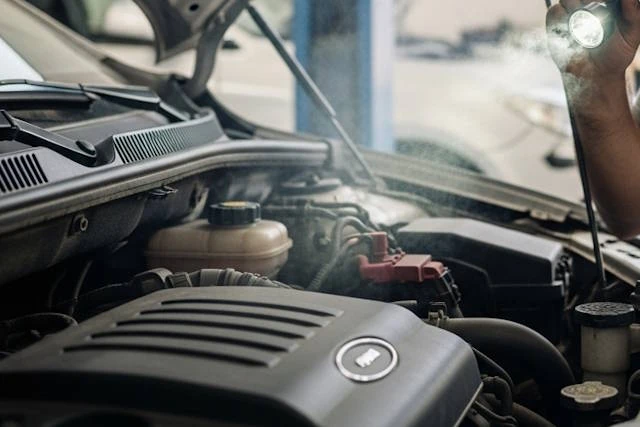
Physically cleaning the engine bay contributes not only to function but also to an overall sense of order. A clean engine lets you spot leaks‚ grease or signs of wear early. It also gives a sense of responsibility and real ownership of the car. Drivers who keep their engine clean tend to notice the small details‚ understand the car's sounds and behavior and look after it for years.
The Link Between a Clean Engine and the Environment
A clean engine emits fewer pollutants into the air. When the combustion system works well‚ the carbon burns completely and there is no black smoke or toxic particles. This is a double advantage - protecting the environment and meeting strict emission standards. In addition‚ well-maintained engines use less fuel and so save not only money but natural resources too.
Choosing to Listen to Early Signs
An engine that isn't "breathing" properly sends signals - loss of power‚ high fuel consumption‚ a burning smell or an unfamiliar noise. Responding immediately to these signs can prevent serious damage. Many engines are ruined not by one big fault but by accumulated neglect. Paying daily attention to the car and how it runs is an inseparable part of keeping it clean.
Summary
A clean engine that breathes better is a symbol of balance - between technology and nature‚ between power and efficiency. Keeping the air‚ oil and fuel systems clean is not just a question of maintenance but of responsibility. A clean engine looks after itself‚ its environment and its owner. It is the basis for long years of smooth‚ economical and safe operation. When you let the engine breathe‚ the whole drive becomes quieter‚ more precise and more pleasant.