
Simple Experiences That Feel Like a Short Vacation
A slow coffee by the window‚ a walk down an unfamiliar street or an evening ritual: simple experiences that feel like a vacation at home.
The Meaning of a Mindful Break in the Middle of the Day
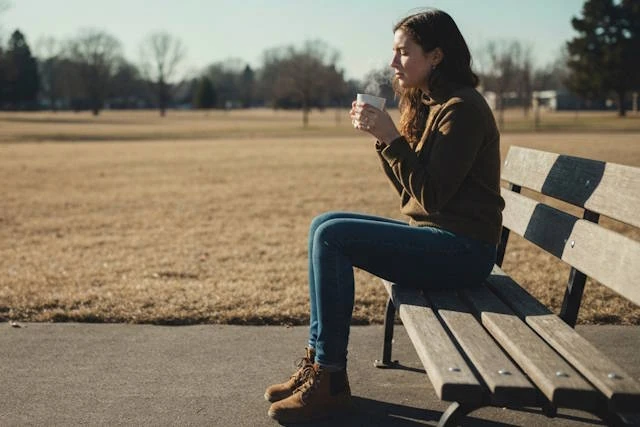
A break is not just a pause from doing things but a change in the quality of time. When you stop for a moment and turn your attention to something outside your routine - even a cup of coffee sipped slowly by an open window - you create an experience of mental refreshment. In moments like these‚ the body releases small tensions and the mind fills with a sense of presence. The difference between fatigue and calm lies not in the number of free hours but in how you use the minutes you already have.
The Power of a Change of Scenery Close to Home
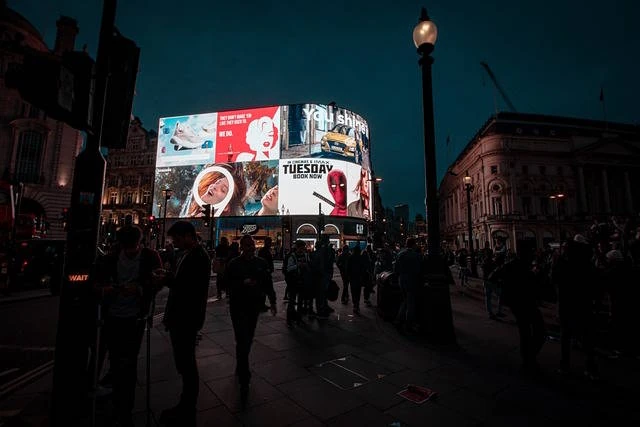
You do not need a long trip to break your routine. Sometimes it is enough to walk down an unfamiliar side street‚ sit in a different park or take a short drive to the beach at the end of a workday. A slight change in your daily scenery also changes your thought patterns. The brain responds to new stimuli with an immediate sense of vitality‚ just as it does on a short trip. Even the most familiar city can become a place of discovery if you look at it with different eyes‚ without rushing and without a practical goal.
Small Moments of Full Sensory Awareness
Experiences that engage the senses create a feeling of vacation even when they are very short. The smell of a fresh pastry‚ the touch of water on your skin or music playing in the background can change your mood instantly. When you let a sensory experience unfold without distractions‚ time expands. Suddenly five minutes feel like an hour of calm. The more attention you pay to your senses‚ the more you are able to enjoy the simple things that are around you all the time.
The Effect of Slow Movement on a Feeling of Rest
A vacation is often associated with stopping‚ but in many cases it is slow movement that creates the feeling of release. A relaxed walk with no destination‚ a bike ride along a quiet path or a short swim in calm water release endorphins and restore a sense of control over the pace of life. The body learns to move without pressure to perform‚ and the brain translates this into deep relaxation. Even an hour of slow movement after a busy day can feel like a small escape into quiet.
Choosing Attention Over Distraction
Simple experiences get lost when they are swallowed up by a background of screens and messages. Choosing to turn off notifications or put your phone aside for one hour changes the quality of your time. Thoughts become clearer‚ conversations with others become more genuine and the sounds around you take on new meaning. The moment you are truly present is the moment routine turns into an experience. A short digital break during the day gives a sense of freedom that does not depend on a planned vacation.
Connecting with Nature in an Urban Setting
Even in the heart of a busy city‚ you can find traces of nature that bring back a sense of calm. Falling leaves‚ a cloud drifting apart in the sunset light or the smell of earth after rain are reminders of the slow rhythm of the seasons. Moments like these connect the body to a rhythm wider than the daily routine. Stepping out onto the balcony for a few minutes or sitting on a bench along a boulevard‚ paying attention to your breath and the light‚ can create a sense of stepping away from the rat race without leaving the city at all.
Daily Rituals That Create a Sense of Freedom
When you create a small ritual that repeats every day - such as lighting a candle in the evening‚ making a particular tea or listening to a specific song - a sense of personal time develops. The ritual does not depend on a place‚ but it reminds the body to stop and simply be. Many people find that this kind of effortless repetition creates a greater sense of freedom than a one-time event. A daily ritual is a kind of tiny vacation that happens without leaving home.
The Effect of Brief Human Interactions
A smile from a stranger‚ a light chat with a shop assistant or a small act of mutual help creates a sense of connection that calms the nervous system. Unplanned human interactions recall the sense of surprise that comes with travel. They break the predictable flow of the day and bring warmth into it. The more often these encounters happen‚ the fuller life feels‚ even without big changes.
Why Changing the Pace Between Work and Rest Matters
People need a clear separation between work time and rest time. In an age when everything is accessible‚ the boundaries blur and mental fatigue grows. When you set a clear end to the workday‚ even if you go on with another activity afterward‚ the brain relaxes. The transition does not have to be dramatic - it can be switching off the computer‚ turning on a warm light or taking a short walk. Freedom begins the moment the pace changes‚ not at the place you travel to.
The Effect of Creating and Working with Your Hands
Doing something with your hands‚ such as cooking‚ painting‚ gardening or a simple repair at home‚ links thought and movement and brings immediate satisfaction. Unlike abstract digital work‚ a tangible result gives the brain a signal of achievement. At times like these‚ attention shifts from the past and future to the present moment - just like on vacation‚ where every action seems new. Even a quarter of an hour a day of this kind of activity changes how you feel overall.
Music‚ Scent and the Memory of a Vacation
The senses can recreate the feeling of a vacation through memory. A familiar scent from a hotel you once stayed in‚ a song that played during a trip or a dish linked to a pleasant occasion - all of these can bring on a sense of calm almost instantly. Creating a small collection of scents‚ tastes and sounds tied to good memories lets you call up the same feeling of calm whenever you need it. It is a simple but powerful mechanism that lets you feel on vacation even in the middle of an ordinary week.
Choosing Personal Time as Part of Your Routine
A sense of vacation arises when time belongs to you. One hour a day in which you are not expected to achieve anything and do not respond to outside stimuli is a foundation for peace of mind. Even if that time is devoted to something quiet - reading‚ walking or sitting on the balcony - the very choice to protect it regularly strengthens a sense of freedom. When personal time becomes an anchor in your routine‚ stress decreases and life feels more balanced.
How Your Physical Surroundings Affect a Feeling of Rest
The physical design around you affects your emotional experience. A small change‚ such as rearranging objects‚ cleaning a window or adding a green plant‚ can change how a place feels. Light‚ colors and scents create a different atmosphere that directly affects your mood. Even without leaving home‚ you can create a feeling of freshness similar to the one you feel in a hotel - clean‚ airy and bright.
Mindfully Connecting with Moments of Grace
An ordinary day holds dozens of small moments that pass by unnoticed: a child's glance‚ the sound of birds or the feeling of a breeze on your face. Paying attention to these moments increases gratitude‚ which many studies link to calm and better mental health. When you get used to noticing such moments‚ a sense of presence develops that reminds you that life itself is full of small opportunities for a vacation.
Balancing Leisure and Daily Tasks
Part of our stress comes from the feeling that every free moment has to be put to use. But real leisure is born precisely when it has no purpose. Combining necessary tasks with moments that have no goal lets the body and mind relax. Even if the to-do list is long‚ a mindful pause between one task and the next creates breathing room. That is exactly where the feeling of "you don't have to get everything done right now" is hiding - the same feeling we associate with a vacation.
In Summary
Simple experiences such as slowly sipping coffee‚ taking a short walk in a different neighborhood or listening to a familiar song can give a real sense of vacation. You do not need a flight or a financial investment to feel content - a willingness to stop‚ notice and let everyday moments become meaningful is enough. The more you get used to bringing small‚ regular moments of leisure into your life‚ the more a sense of calm builds that stays with you all day. In a reality of overload and tight schedules‚ it is simplicity that gives a sense of true freedom.