
A Flavor That Only Emerges Once the Dish Cools Down
Why stews‚ soups and cakes often taste better once they cool a little‚ and how time lets flavors blend‚ settle and fully come through.
Choosing Time as the Hidden Ingredient
In every kitchen‚ time is one of the most important ingredients‚ even if it does not appear in the recipe. Natural processes of cooling‚ resting and setting affect the way we experience flavors. Dishes like stews‚ soups‚ cheesecakes or casseroles gain depth only after they rest. The falling temperature allows the flavors to blend and balance out‚ just as silence allows you to hear the music between the notes.
The Link Between Heat and First Impressions
When food is served hot‚ the aroma and steam capture your attention. But at the same time‚ heat can also blur the nuances. It dulls the sensitivity of the palate‚ hides delicate textures and sometimes even changes the perception of sweetness or saltiness. As the dish cools‚ every component gets a chance to speak up again. The first impression gives way to a deeper understanding‚ and sometimes that is exactly when the balance the chef intended is revealed.
Choosing Waiting as a Pleasure in Itself
Eating right away is a natural response to hunger‚ but waiting is an art of its own. In a home kitchen‚ there is value in the moment when a dish is allowed to "settle". During this time something else is built - anticipation‚ curiosity‚ attention to the small details. People who let a dish cool a little discover that patience is sometimes rewarded with a depth of flavor that could not have been detected before.
The Effect of Temperature on Sensory Sensitivity
Scientifically‚ it is known that high heat dulls the receptors on the tongue‚ while a moderate temperature makes it possible to identify flavors more precisely. That is why lukewarm coffee can seem richer in its range of aromas‚ and a stew left in the fridge until the next day tastes more balanced. As a dish cools‚ the brain and the senses tune in differently - less intensity‚ more sensitivity‚ less outward impression and more inner understanding.
The Link Between Home Cooking and Emotional Memory
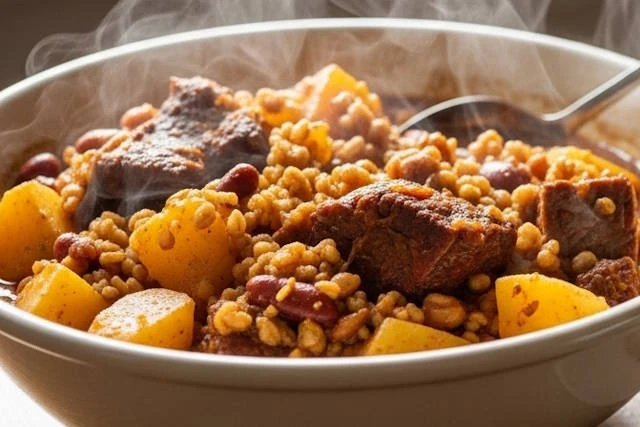
In family kitchens‚ the most memorable dishes are often the ones eaten after they have cooled. Hamin waiting on the hot plate‚ pasta that has turned a little sticky or a cake sliced after it has set. A flavor like this evokes a sense of home‚ belonging and comfort. It takes you back to the roots of culinary culture‚ in which food is the result not only of cooking but also of time and emotion.
Choosing Quiet After Cooking
When the pots stop bubbling and the kitchen fills with the scent that lingers in the air‚ a moment of quiet arrives in which the food keeps cooking in its own way. This moment allows the flavors to deepen and come together. That is why it is recommended to taste many dishes again after half an hour or even the next day. The food changes - it balances out‚ matures and carries with it a taste of calm.
The Effect of Emotional Distance on the Experience
As with food‚ in life too it is sometimes only after the initial heat subsides that the nuances can be noticed. Once the first excitement fades‚ new layers are revealed - balance‚ depth‚ softness. Food‚ like emotion‚ needs space to settle. There is magic in the way a short wait can completely change the experience.
Choosing Lasting Flavor Over a Fleeting Impression
The flavors that emerge once a dish cools are usually the ones that stay in your memory. This is a flavor that builds slowly‚ develops gradually and does not try to impress right away. Just like relationships or works of art‚ food that rests and settles carries a depth that reveals itself only to those willing to wait. It is not just a culinary trait - it is a whole outlook on life.
The Link Between Food Culture and Patience
In many cultures‚ the timing of eating is considered an inseparable part of the process. In Japanese culture‚ for example‚ miso soup is allowed to reach a precise temperature before the first sip. In French cuisine‚ stews rest for hours before serving. In Israel too‚ Shabbat stews are considered especially delicious on the following day. This patience represents an approach - eating with presence‚ not rushing and letting flavor come into being at its own pace.
Choosing a Natural Balance of Flavors
Heat amplifies intensity‚ but cooling brings balance. Strong sweetness turns delicate‚ spiciness softens and bitterness calms down. When the food reaches a comfortable temperature‚ all the ingredients speak at the same volume‚ like an orchestra playing in harmony. This is the point at which the palate can sense all the layers - the small spice‚ the sauce that has thickened and the texture that has softened just the right amount.
The Effect of Contrast Between Warm and Cool
Part of culinary beauty lies in contrast - cold beside hot‚ sweet beside salty‚ fresh beside rich. Many dishes are built around this interplay. Salads with warm ingredients‚ desserts with a layer of cold whipped cream or dishes served at room temperature all move along a fine line between two worlds. When the dish cools a little‚ this contrast reaches its peak and lets the palate sense the whole through its parts.
Choosing a Flavor That Lingers Long After
Dishes that reveal themselves gradually leave a deeper impression. They are not only tasty but also etched in memory. This is a flavor that does not fade right away but stays with the diner long afterward. Perhaps that is why certain dishes - soups‚ stews or creamy desserts - earn praise precisely when they are eaten the next day.
The Link Between Preparation and Understanding the Result
Anyone who understands cooking knows that a dish is not finished when the heat is turned off. It is the stage that follows - when it breathes‚ cools and settles - that determines its final character. An experienced cook knows how to wait and sense the right moment when the dish is at its best. This is not just technique but intuition built through experience and attention to the ingredients themselves.
Choosing to See Food as an Ongoing Story
A dish that can be enjoyed even as it cools tells a story of balance‚ thought and planning. It does not depend on a single moment but keeps evolving. This is a beauty that reveals itself quietly - just like good stories that stay in your heart even after the last page is turned.
In Summary
A flavor that only emerges once the dish cools down is a reminder that life is not always a stage for hot‚ fast moments. Sometimes it is the pause‚ the observation and the waiting that reveal the real depth. In the kitchen as in life‚ patience pays off - those who are willing to wait discover flavors‚ feelings and meanings that are not visible at first glance. It is a magic that arrives only after everything has calmed down‚ when the flavor speaks quietly and tells its story slowly‚ gently and at exactly the right time.