
The Sense of Space That Small Decisions Create
How order‚ light‚ color‚ scent and a calmer pace of life create a sense of space at home‚ no matter how many square meters it has.
Choosing Order as a Source of Calm
Order isn't just aesthetics - it is a language of calm. When every item sits in its place‚ the brain receives fewer stimuli and starts to relax. Small decisions like putting things back where they belong‚ clearing a surface before bed or leaving the desk empty in the morning create a feeling of ease that doesn't depend on the size of the room. Order lets energy flow more naturally‚ and it gives you room to breathe - literally and figuratively.
The Link Between Light and Space
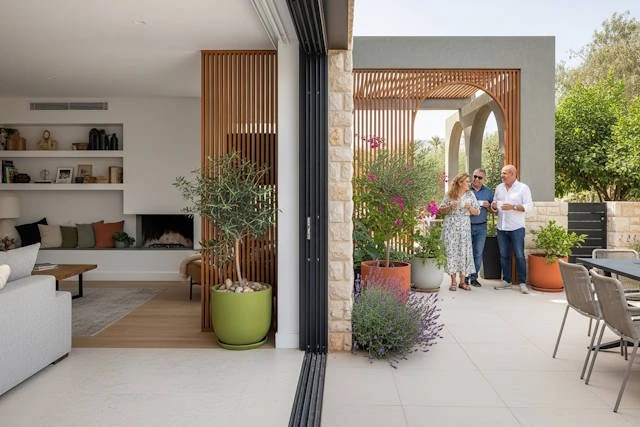
Light shapes the way we perceive space. An open window‚ a sheer curtain or warm lighting can completely change the atmosphere. Simple decisions such as avoiding heavy drapes‚ using mirrors or choosing light shades for walls and textiles create a sense of openness and calm. Light is not only functional but emotional. It lets a space feel like an invitation rather than a frame.
Choosing Emotional Minimalism
A sense of space also comes from deciding to let go of what's unnecessary. Not just objects‚ but also noise‚ commitments and thoughts that weigh you down. Anyone who can reduce the load - both outer and inner - suddenly discovers how much room life has to happen. This is a minimalism based not on giving things up but on precise choice. Space expands when you let go.
The Link Between Breathing and Design
Architecture and interior design often refer to "breathing room" - the empty space between elements that lets the eye rest. Yet the same principle applies to life itself. When you leave time between tasks and don't fill the schedule to the brim‚ a similar sense of relief appears. Space is not only physical - it is emotional and mental too. The small decision to pause for a moment‚ to breathe‚ to be silent is what gives a feeling of freedom.
Choosing Color as Gentle Energy
Colors are a powerful tool for creating space. Light and neutral shades make a room feel larger‚ while deep colors add depth and drama. The right combination of the two creates a sense of balance. Here too the small decisions matter - a cushion in a soft tone‚ a picture with a light background or a delicate tablecloth. Every such detail adds softness and air for the eyes and the soul alike.
The Link Between Scent and a Calm Space
Scent is one of the most hidden yet most meaningful elements in shaping how a place feels. A light fragrance of cleanliness‚ a scented candle or a living plant all create an atmosphere you enjoy spending time in. Familiar smells bring a sense of security‚ while natural scents evoke nature and openness. This is a space measured not in meters but in the feeling that lingers in the air.
Choosing Small Habits Throughout the Day
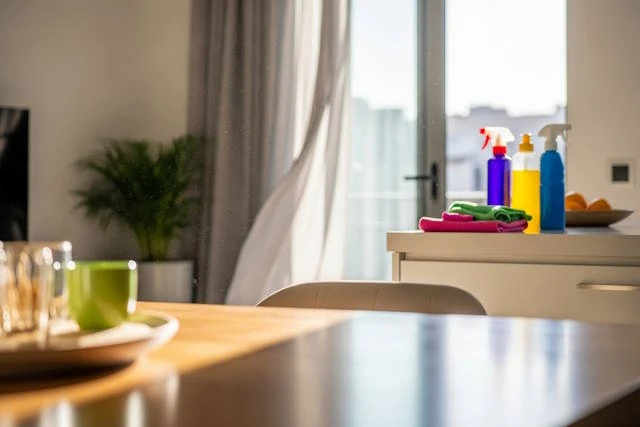
Small decisions during the day - closing the door after use‚ keeping work surfaces clean‚ not leaving dishes in the sink - add up to a huge effect. They build a pleasant‚ smooth-flowing living environment. Space is the result of a mindful routine. When every action comes from attention‚ your surroundings respond with calm and a sense of balance.
The Link Between Inner Movement and Outer Space
The busier life gets‚ the more important a clean and pleasant environment becomes. When a home or workplace is full of unnecessary details‚ thoughts scatter too. But when there is smart order and natural movement through the space‚ mental clarity becomes possible as well. There is a deep connection between a clean environment and a sense of inner stability - each feeds the other.
Choosing a Calm Pace of Life
A sense of space also comes from the way you move through time. A slower pace‚ longer breaths‚ measured steps - all of these expand the feeling of a life that isn't cramped. Small decisions like not rushing‚ not jumping between screens and not hurrying to speak restore a sense of control and flow. When the pace of life finds its balance‚ mental space opens up as well.
The Link Between Nature and Human Space
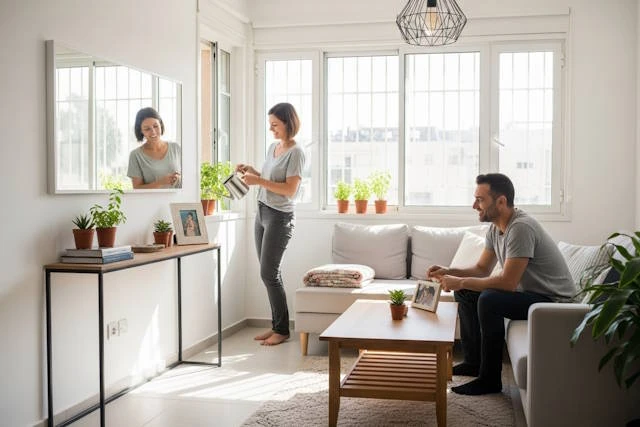
Nothing gives a sense of space like a connection to nature. Even a small pot on the windowsill or a single flower on the table changes the atmosphere. They are a reminder of the outdoors‚ of breathing and of the slow rhythm of the world beyond the city. Bringing nature into everyday life - through light‚ air‚ water and plants - is a small decision with a huge effect on inner peace.
Choosing Personal Space Within a Routine
In the daily rush‚ personal space sometimes gets lost. Yet even a brief moment of sitting quietly‚ a coffee on the balcony or a short walk without a phone can create a real sense of freedom. These small decisions help you find balance between outside and inside‚ between noise and quiet‚ between the demands of reality and the need to breathe.
The Link Between Generosity and Emotional Space
The more room you give others‚ the more your inner space expands. Listening‚ consideration and patience are all small decisions that widen the air between people. An environment with room for everyone becomes more fluid and pleasant. Real space is not measured by walls but by an atmosphere that lets others feel at ease and present.
Choosing Gentle Movement Through Life
A sense of space also comes from the way you conduct yourself. When you treat things gently - movement‚ speech‚ daily routine - new room opens up. Gentleness allows flexibility‚ and flexibility creates freedom. These are small decisions of awareness - responding slowly‚ truly listening‚ moving without resistance. That is how a flow emerges that feels like space.
Summary
A sense of space is the result of countless small decisions‚ some of them almost imperceptible. It doesn't depend on the size of the room or the amount of furniture‚ but on the atmosphere created by the way you live in it. When you make small decisions of order‚ breathing‚ light and gentleness‚ a space emerges that lets you live better. These are small moments that add up to a great sense of calm - a space where everything is exactly in the right place‚ and it is simplicity itself that feels like freedom.