
Smart Planning That Prevents a Cramped Feeling Even in a Small Apartment
Zoning‚ light‚ multi-purpose furniture and hidden storage help a small apartment feel spacious‚ airy and calm.
Choosing the Right Division of Space
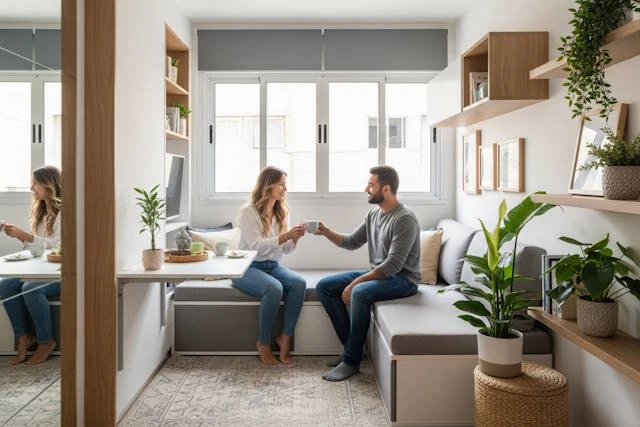
The first step in planning a small apartment is dividing the space efficiently. Instead of thinking in terms of closed rooms‚ an open plan creates a sense of space. One area that holds different zones of use - for example a living room and a dining corner - allows free movement and prevents a suffocating feeling. Subtle definition through furniture‚ rugs or lighting replaces the need for walls and gives the home a natural flow.
How Light and Color Affect the Sense of Size
Light is the most important element in making a space feel bigger. Open windows‚ light curtains and soft lighting create depth and lightness. Wall colors matter just as much - light‚ monochromatic shades reflect light and expand perception. A subtle touch of dark color in certain areas also adds depth without closing in the feeling. A precise choice of shades creates a visual harmony that replaces crowding with calm.
Choosing Multi-Purpose Furniture
When every meter counts‚ smart furniture doubles the space. A sofa bed‚ a folding dining table or a bed with storage underneath serve more than one purpose. This keeps things functional without overloading the room. Furniture that can be moved or adapted - such as shelves on wheels or adjustable tables - provides flexibility as needed and gives a small apartment a dynamic‚ ever-changing feel.
How Clean Lines Create Order for the Eye
Crowding comes not only from a lack of physical space but also from visual clutter. Straight lines‚ uniform shapes and repetition in design create a sense of order that soothes the eye. Avoiding too many decorative details also preserves lightness. When there is a consistent visual rhythm - in colors‚ furniture height or textures - a sense of space emerges‚ even if the place is actually small.
Choosing Smart‚ Hidden Storage
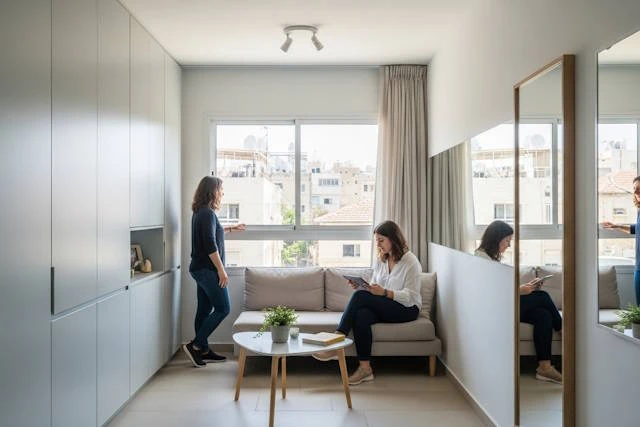
Open storage creates a cluttered feeling‚ while hidden storage keeps an organized look. Concealed drawers‚ tall cabinets reaching the ceiling and the use of empty walls make the apartment efficient. Storage items with a clean design - matching baskets‚ made-to-measure boxes - keep a consistent‚ calm line. Visual order is the key to a sense of calm in a small space.
How Windows and Mirrors Add Depth
Open windows and well-placed mirrors increase the sense of any space. A mirror opposite a window doubles the light and creates the illusion of extra room. Using glass - in railings‚ doors or partitions - maintains a visual continuity that widens the feeling. The more easily the eye moves through the space‚ the more pleasant and open it feels.
Choosing Defined Zones for Daily Routine
In a small apartment it is important to define each area by its function‚ even if it is just a small corner. A small work nook‚ a reading area or a fixed place for meals create inner order. When there is a clear structure‚ the space feels stable and organized. A subtle definition of living zones gives a sense of control and stability‚ even without walls to separate them.
The Link Between Visual Cleanliness and Emotional Space
A tidy apartment is one you can breathe in. Mess‚ even a little‚ creates a stifling feeling. Keeping surfaces clear‚ choosing uniform items and avoiding a pile-up of decorations all preserve lightness. Visual cleanliness is not only aesthetic - it is emotional. When the eye isn't overloaded‚ the mind feels roomier too.
Choosing to Use Space Vertically
Instead of thinking in width‚ think in height. Wall-mounted shelves‚ storage up to the ceiling or tall windows free up precious floor space. Hanging plants or lighting from above add a sense of movement and air. When you make use of height‚ a small space turns out to be much richer than it seems.
The Effect of Transparent or Light Furniture
Transparent furniture made of glass or thin materials creates a feeling of airiness. Slim legs or open structures under a table also keep light flowing. The less the floor and walls are hidden‚ the bigger the eye perceives the place to be. It is a simple way to expand the feeling without moving a single wall.
Choosing Natural Materials and Soft Textures
Natural materials such as wood‚ linen or cotton add warmth and keep a room from feeling too closed in. Soft textures balance the simplicity of the design and create a sense of ease. Combining a hard material like metal with soft fabric also keeps a balance between depth and openness. The result feels homey but not crowded - a pleasant place to spend a long time.
The Link Between Scents‚ Atmosphere and Space
A gentle‚ pleasant scent reinforces a sense of cleanliness and openness. Natural fragrances of lavender‚ citrus or pine bring a feeling of calm. Soft sounds - quiet background music or fresh air from outside - also affect the overall experience. Space is not only what you see but also what you feel with all your senses.
Choosing Emotional Openness Toward the Space You Have
Sometimes the feeling of crowding comes not from the size of the home but from your attitude toward it. When you accept the existing space and use it wisely‚ the sense of missing out disappears. Planning based on love for what you have rather than longing for what is missing creates peace of mind. A sense of space begins in the mind‚ and only then in the architecture.
The Effect of Small Corners for Rest
Even in a small apartment‚ it is important to have at least one corner dedicated to quiet. A comfortable armchair‚ soft lighting and a green plant can turn an ordinary corner into a real place of rest. Such a spot recharges the soul and balances the energy of the whole home. When the mind feels there is room to breathe‚ the space feels more open too.
Choosing Design Repetition
Repetition creates a sense of order. Using similar colors‚ recurring materials or uniform shapes across rooms produces a feeling of visual continuity. The eye moves easily‚ and the brain interprets this as a larger space. Even a small change‚ such as using the same type of handles throughout the home‚ strengthens the sense of unity.
Summary
A small apartment can feel spacious‚ calm and inviting when it is planned with thought. Smart division‚ use of light‚ well-chosen furniture and efficient storage prevent a feeling of clutter. The difference between crowding and comfort is not size but approach. When every item has a place and every action has an intention‚ a small apartment becomes a big home in feeling.