

A Battery That Dies Exactly When You Need to Stop
Why a dead phone can be a useful pause: digital fatigue‚ screen time boundaries and how to recharge your own inner energy.
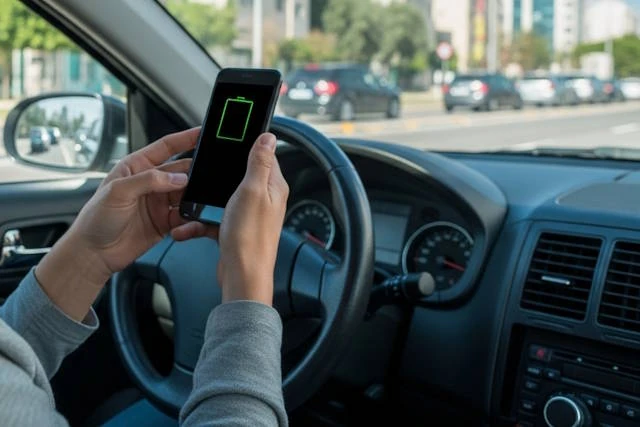
Choosing to Stop as a Natural Response to Overload
The human body is not built to function in a constant stream of stimuli. The brain needs breaks to process experiences‚ filter information and regain clarity. But in daily life‚ especially in the digital age‚ the pace hardly allows it. A dying battery serves as a physical reminder of something the soul already knew - there is no healthy existence without moments of emptiness. Stopping‚ even when forced‚ brings the human pace back to a world that is in too much of a hurry.
The Link Between Technology and Your Inner Rhythm
The devices that accompany daily life have taken on an emotional role: they convey security‚ belonging and efficiency. But when they are always present‚ even a break becomes a challenge. A weak battery or a switched-off device exposes the gap between the technological pace and the inner pace of the body. While the device is designed to run continuously‚ a person needs cycles. The silence that forms when there is no screen first brings discomfort‚ but then - calm.
Choosing a Brief Disconnection as a Return to Awareness
When there is no screen‚ attention gradually returns to the senses. Suddenly you hear sounds you do not notice on a normal day‚ the light changes and thoughts slow down. Disconnecting from the phone is not only disconnecting from others but also connecting with yourself. Without judgment or distraction‚ you can hear what is really happening inside. It is precisely the empty battery that lets you charge something else - attention‚ presence‚ breath.
The Link Between Digital Dependence and Inner Restlessness
The feeling of helplessness when there is no charged device reveals how much digital habits have become part of our identity. When there is no access to information‚ messages or navigation‚ restlessness rises‚ as if emotional oxygen has been taken away. This is a sign of a dependence that formed without us noticing - a dependence on a sense of constant "availability". This understanding is not a reason for blame but an opportunity: to identify the places where you can take back control of the pace.
Choosing Clear Boundaries Within a Digital Stream
When everything is accessible‚ boundaries blur. The workday spills into the evening hours‚ and rest fills up with notifications. Creating boundaries between "connected" time and "disconnected" time is an expression not of weakness but of wisdom. Even the devices themselves are designed to work in charging cycles - and the body is no different. A conscious stop‚ even for a few minutes a day‚ restores a sense of control and lets you see the bigger picture.
The Link Between Physical Energy and Mental Energy
Like a battery‚ mental energy also drains gradually. Every thought‚ task or interaction uses a little of it. But unlike a device‚ the body does not display a charge percentage. Only when fatigue arrives suddenly do you realize how overloaded the system is. A draining battery can serve as a template to remind you that inner energy also needs recharging - not necessarily through sleep‚ but also through quiet‚ nature and a simple conversation.
Choosing Silence as an Active State
Silence is not inactivity but a gentle act of gathering yourself. In a noisy reality‚ silence becomes rare but also precious. When the screen goes dark‚ there is a chance to return to that silence‚ not as a sacrifice but as renewal. Instead of seeing the stop as "wasted time"‚ you can see it as a moment of precision - a time when you can feel‚ think and breathe again.
The Link Between Human Connection and a Break in the Stream
When the phone is off‚ other channels of connection open. Looks‚ face-to-face conversations‚ real listening. Without an interrupting notification‚ a natural human flow is created. It is a connection that depends not on reception or charge but on a willingness to be present. Precisely in the absence of the screen‚ the depth of real relationships is revealed - the ones that do not need digital approval to exist.
Choosing a Break Out of Awareness‚ Not Necessity
You can wait until the battery runs out‚ or you can choose to stop a moment before. A deliberate disconnection from the screen is a gentle statement of control - not out of rejection but out of recognizing the need to breathe. When you set moments in the day when the device is put aside‚ you lose nothing but gain space. It is a time when you can recharge yourself‚ not the device.
The Link Between the Pace of the World and the Pace of the Body
The technological world moves at a steady‚ high pace‚ but the human body stays loyal to its cycles. Sleep‚ wakefulness‚ hunger‚ rest - all are part of a natural cycle. When you match your personal pace to the pace of screens‚ burnout follows. It is precisely the unplanned breaks - when the phone shuts off‚ when the computer freezes - that remind us the human pace is different‚ more flexible and softer.
Choosing Charging as a Symbol of Balance
Charging is not only plugging into electricity but also a symbol of an emotional act. Everyone needs the energy source that restores their sense of vitality. It can be time with someone close‚ favorite music or even a short walk. The break forced by an empty battery can lead to a deeper understanding: that you too need to recharge from time to time - not through a screen‚ but through life.
The Link Between Fatigue and Emotional Intelligence
When you are tired‚ every small thing feels too big. Devices‚ by contrast‚ do not know when enough is enough. A person needs to use emotional intelligence and recognize the signs of burnout before the system crashes. A dying battery is a metaphor for a limit - it teaches that strength is not infinite and that there is wisdom in recognizing it.
Choosing Downtime Without Guilt
In a culture that sanctifies productivity‚ stopping looks like failure. But every functioning system needs rest. Even time when "nothing happens" is part of the balance. When the screen is off‚ that time becomes yours again - time that is not subject to metrics or schedules. It is a space where you can simply be‚ with no need to justify the moment.
The Link Between Emptiness and Creativity
It is precisely moments of idleness that give birth to ideas. When the mind is not flooded‚ room opens up for creativity. An empty battery in the middle of a busy day may be the only chance to think differently‚ to dream‚ to imagine. In this sense‚ disconnection is not an end but a new beginning - a charging point for thought.
In Summary
A battery that dies exactly when you need to stop is not a malfunction but a gentle hint the world gives. It reminds us that body and soul work in cycles and that there is no real connection without a break. The screen can be charged again‚ but human energy requires attention‚ breathing and listening. At the moment the power disappears‚ something else is revealed - life at the right pace‚ one measured not in percentages on a screen but in the quality of the moments in between.