
New Methods That Return to Old Roots
Experiential learning‚ questions over answers‚ teachers as guides and learning across generations: how modern education is returning to its roots.
Choosing a Connection Between Technology and Humanity
Today's advanced technology has created a certain distance between learners and the experience itself. Screens‚ shortcuts and quick fixes have become an inseparable part of life‚ but along with them‚ moments of real listening and a slow process have disappeared. Today teaching methods are developing that bring humanity back to the center - combining advanced technology with dialogue‚ eye contact and collaborative learning. Progress does not oppose roots; it feeds on them and gives them a new form suited to the current era.
The Link Between Experiential Learning and Real Knowledge
In the past‚ learning was not based on reading alone but on doing‚ hands-on experience and a sense of belonging to a community. In recent years‚ this model has been making a big comeback. Many educational institutions are adopting methods in which experience is the basis for learning: students cook‚ plant‚ create and explore - and in doing so make knowledge tangible. The new method‚ which returns to the roots‚ understands that people remember better when they are active participants in the process. Experiential learning is not a trend; it is the most human way to understand the world.
Choosing a Slow Pace in a Fast World
In an age when everything moves fast‚ slowing down becomes an innovative step. Contemporary teaching and work methods are embracing the ancient principle of patience - not as a delay but as deeper understanding. Instead of rushing to the result‚ room is given to the process itself: to thinking‚ to questions‚ to discussion. This approach‚ which has its origins in ancient learning methods‚ restores respect for time. It lets learners digest‚ understand and internalize‚ instead of just moving on.
The Link Between Teacher and Guide
One of the most significant changes in the new learning is the role of the teacher. Once‚ the teacher was seen as the sole authority holding the knowledge. Today‚ the understanding is that the teacher is a partner on the journey‚ a guide who accompanies students through their own personal inquiry. This view is influenced by ancient cultures in which learning took place in small groups‚ through dialogue‚ questions and mutual listening. The new method puts human relationships back at the center and is a reminder that real learning happens when a person feels understood.
Choosing Intergenerational Learning
In the past‚ knowledge passed naturally from generation to generation - at home‚ in the community‚ at work. Today‚ when information is available everywhere‚ a separation between age groups has formed. At the same time‚ an opposite movement is growing: a renewed connection between generations. Young people teach older people how to use technology‚ and older people pass on practical knowledge and life experience. This encounter creates learning that is mutual‚ lively and enjoyable‚ and that restores the social value of knowledge.
The Link Between Environment and Learning
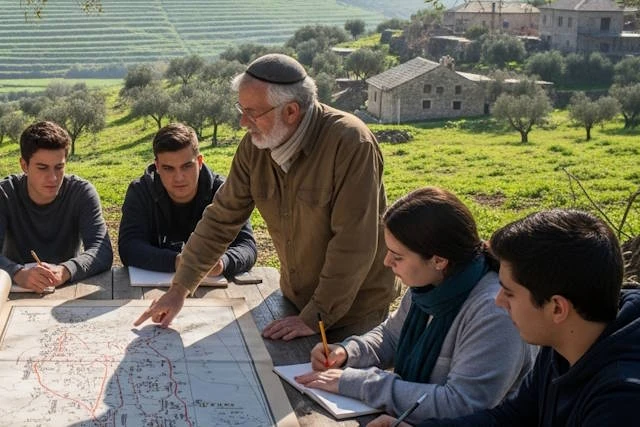
The new learning methods understand that learning doesn't happen only in the classroom but anywhere there is curiosity. A yard‚ a kitchen‚ a garden or a field trip become a natural learning space. This approach takes students back to the sources - to learning from the world itself‚ not through a screen. The environment is not just a backdrop but a partner in the process. The more learning takes place in a living‚ breathing setting‚ the more deeply it is engraved in the mind.
Choosing Questions Over Answers
One of the quiet revolutions in education is the recognition that good questions matter more than correct answers. Instead of teaching with the aim of reaching a single solution‚ the focus today is on the process of searching‚ on the understanding that real knowledge is built out of doubt. This approach‚ rooted in ancient philosophical traditions‚ creates more independent and critical learners. It allows people to discover‚ not just to know.
The Link Between Silence and Concentration
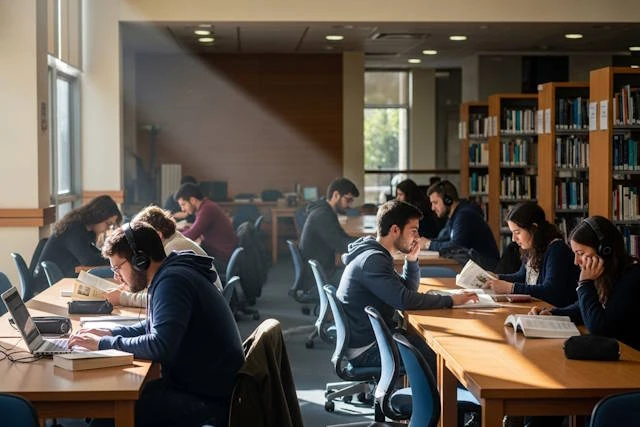
In a noisy world of nonstop stimuli‚ an old understanding is returning - silence is a condition for learning. Many schools and institutions now include moments of meditation‚ breathing exercises or simply screen-free time. Silence allows concentration to be reborn. This is not just a matter of discipline but of quality. Silence makes room for thought‚ depth and creativity - values that were lost for a moment and are now returning to center stage.
Choosing Emotional Learning as Part of the Process
In the past‚ learning was considered a purely intellectual process. Today‚ the system understands that emotion plays a central role in the ability to learn. New methods include exercises in empathy‚ cooperation and emotional attentiveness‚ based on the understanding that real learning doesn't happen under pressure. This insight brings humanity back to the center and shows that heart and mind work together‚ not separately.
The Link Between Personal and Collective Experience
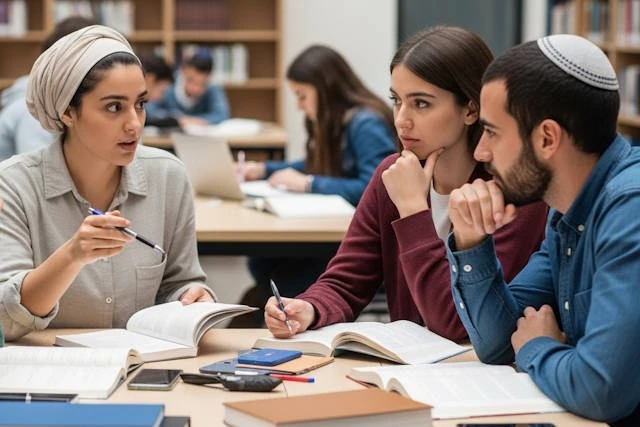
In ancient cultures‚ learning was a community activity. Each person learned as part of a circle‚ with a sense of belonging. Today this view is returning in the form of small study groups‚ discussion circles and collaborative projects. The new method connects each learner's individuality with a sense of wider community‚ and this creates learning with depth and meaning.
Choosing to Connect Body and Mind in Learning
More and more institutions understand that learning cannot be disconnected from the body. Movement‚ breathing and physical awareness affect concentration and memory. New teaching methods include stretching exercises‚ active breaks and mindfulness practices‚ just as teachers did in ancient traditions. The body becomes an inseparable part of learning‚ and this connection creates calm‚ focus and mental health.
Summary
New methods that return to old roots are proof that progress doesn't replace the past - it grows out of it. This trend seeks to innovate out of respect for what came before‚ not to erase it. When technology meets humanity‚ when learning becomes an experience again and when silence finds a place between the screens‚ real learning happens - the kind that leaves a mark.